

Recent research from the San Francisco Federal Reserve suggests that falling levels of unauthorized immigration in the United States are contributing to slower job growth. This finding highlights the important role immigration plays in supporting key industries and maintaining economic momentum.
The Link Between Immigration and Job Growth
According to the Federal Reserve study, employment growth tends to move in line with immigration trends. When unauthorized immigration increased between 2021 and early 2024, job growth also accelerated. However, when immigration began declining in 2024, employment growth slowed as well. (Reuters)
This relationship reflects a simple economic reality: many industries rely on immigrant workers to meet labour demand. When fewer workers are available, companies may reduce production, delay projects, or slow hiring.
Industries Most Affected
The slowdown has been especially noticeable in labour-intensive sectors such as:
- Construction
- Manufacturing
- Service industries
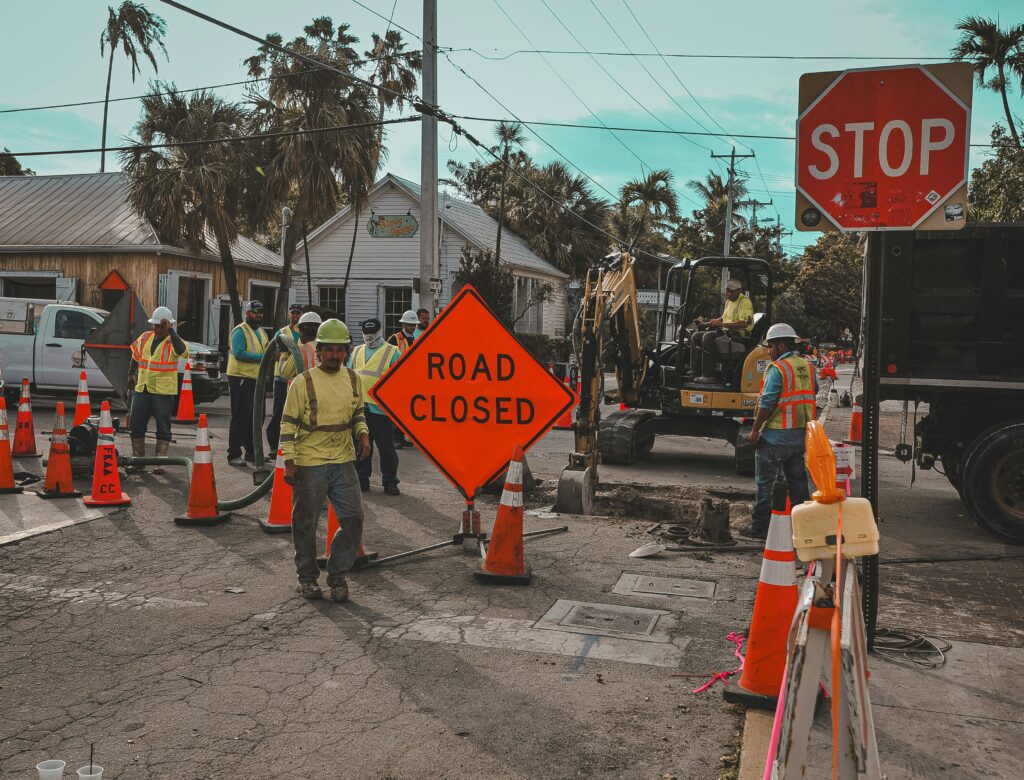
These sectors often depend heavily on immigrant labour. When fewer workers are available, companies may struggle to maintain normal activity levels. (Reuters)
One key concern is construction. Reduced worker availability can slow housing construction, which may worsen housing shortages and limit overall economic growth.
Impact on Overall Economic Growth
Recent data shows a dramatic slowdown in job creation. The U.S. added only about 181,000 jobs in 2025, compared to nearly 1.5 million jobs in 2024. Economists believe the sharp decline in immigration is one of the main reasons for this change.
When businesses cannot find enough workers, they often:
- Delay expansion plans
- Reduce output
- Invest less in growth
This creates ripple effects across the entire economy.
What This Means for the Future
The Federal Reserve study suggests job growth may remain under pressure if immigration continues to decline. This could affect:
- Economic expansion
- Housing availability
- Labour market stability
- Business productivity
Immigration plays a crucial role in supporting workforce supply, especially in industries facing worker shortages.
Key Takeaway
The research highlights an important economic reality: immigration is closely connected to job creation and economic growth. When immigration slows, job growth may slow as well not necessarily because fewer jobs exist, but because fewer workers are available to fill them.
For policymakers, businesses, and jobseekers, understanding this connection is essential for navigating the changing labour market.
Copyright 2026 Thomson Reuters